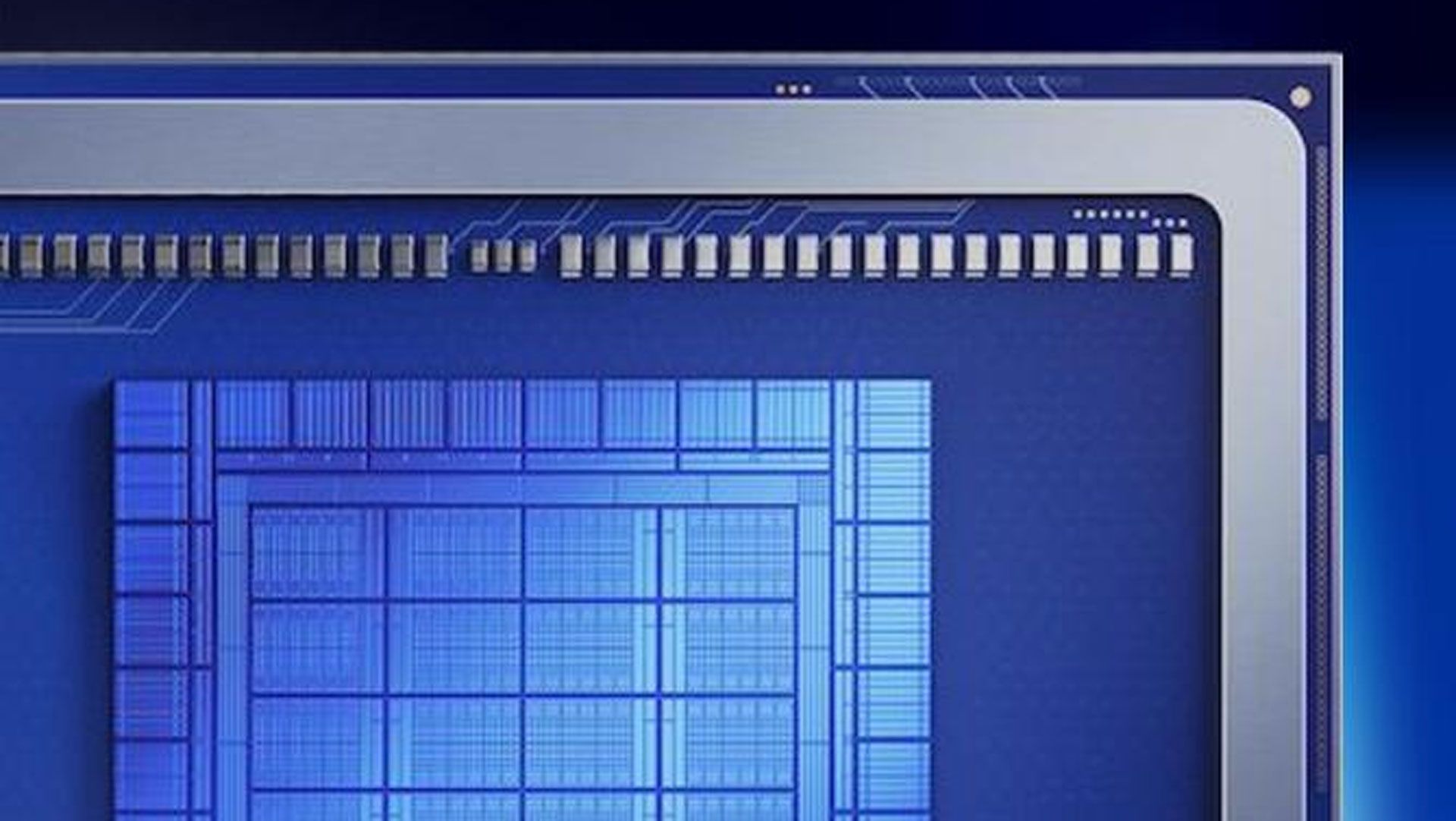
Intel details its Crescent Island data center GPUs based on its Xe3P architecture and using LPDDR5X memory instead of HBM, calling them "built for agentic AI"
Unusual memory choice brings lots of AI data closer to the chip for efficiency
Lead Source
Coverage
More
Discussion
TechSnif Coverage
Intel Bets on LPDDR5X Over HBM for Its New AI Data Center GPUs
Intel's Crescent Island GPUs ditch HBM for LPDDR5X memory, targeting agentic AI workloads in the data center.
Intel just revealed Crescent Island, its next-gen data center GPU built on the Xe3P architecture. The big twist? It skips HBM entirely in favor of LPDDR5X memory. That's a bold departure from what Nvidia and AMD are doing.
The rationale is efficiency. LPDDR5X brings more AI-relevant data closer to the chip, reducing latency for the kind of workloads Intel is targeting. And those workloads have a specific name: agentic AI.
Intel is positioning Crescent Island squarely for the emerging wave of autonomous AI agents — systems that reason, plan, and act independently. The memory architecture choice suggests Intel is optimizing for bandwidth-per-watt rather than raw capacity.
Unveiled at Computex 2026, the move signals Intel's willingness to zig where competitors zag in the AI accelerator race. Whether the bet pays off depends on real-world benchmarks nobody has seen yet.