How AI is transforming the pharma industry, with most gains so far from back-office streamlining and faster manufacturing rather than breakthrough drug research
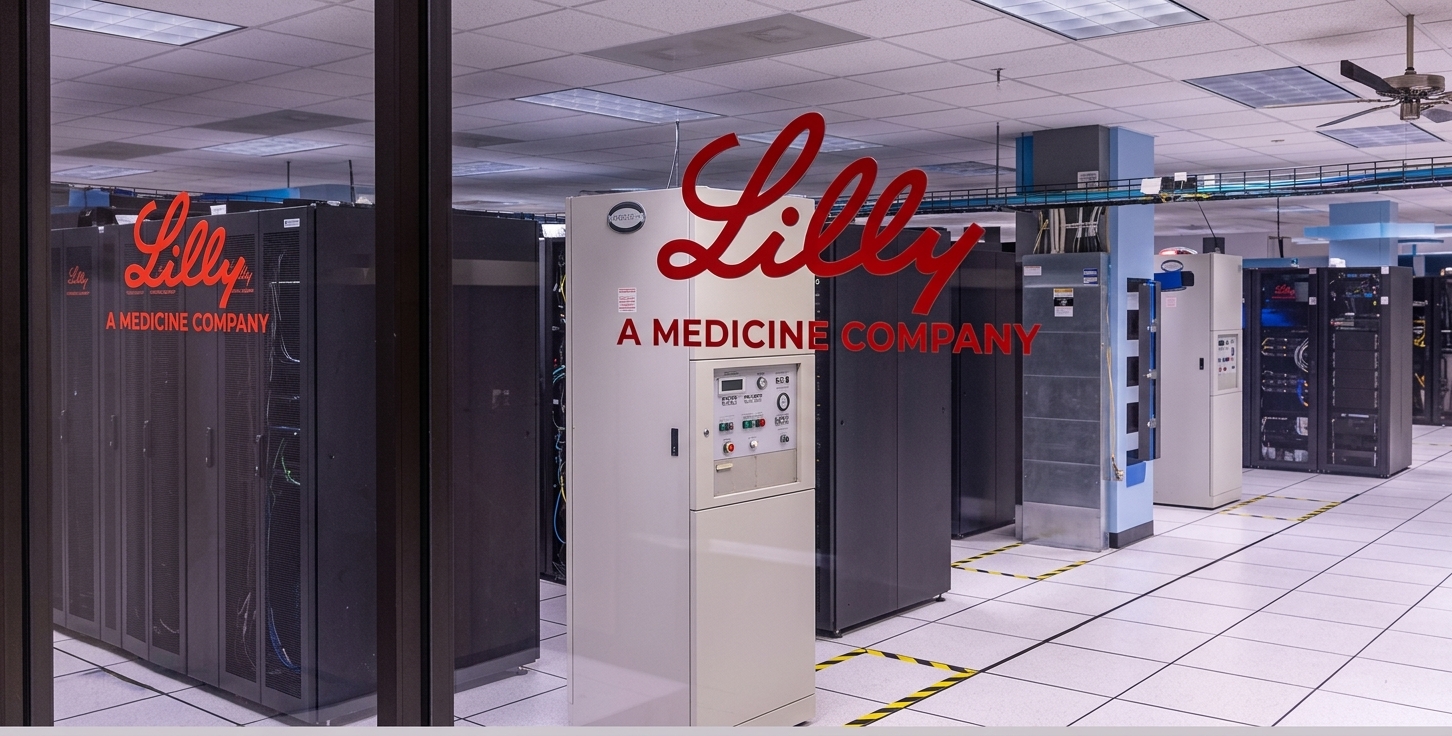
Drug companies like Eli Lilly and Roche are racing to build supercomputers to help fix the 90% failure rate in drug development
Lead Source
TechSnif Coverage
AI's Pharma Payoff Is in Paperwork, Not Breakthroughs
Big pharma is betting big on AI, but the real wins so far are boring ones: back-office ops and manufacturing speed.
The pharmaceutical industry is going all-in on artificial intelligence. Eli Lilly and Roche are racing to build supercomputers aimed at cracking one of medicine's ugliest numbers: a 90% failure rate in drug development.
But here's the reality check. Most AI gains in pharma so far aren't coming from revolutionary drug discovery. They're coming from streamlining back-office operations and speeding up manufacturing processes. The unsexy stuff.
That's not necessarily bad news. Efficiency gains in production and administration translate directly to lower costs and faster timelines. But the holy grail — using AI to fundamentally fix how drugs are discovered and developed — remains elusive.
The supercomputer arms race signals that major drugmakers believe the breakthrough moment is coming. Whether those massive compute investments actually dent that 90% failure rate is the billion-dollar question the entire industry is watching.