A deep dive into how ASML became a chokepoint for making cutting-edge chips by betting on EUV, closely collaborating with TSMC and the US government, and more
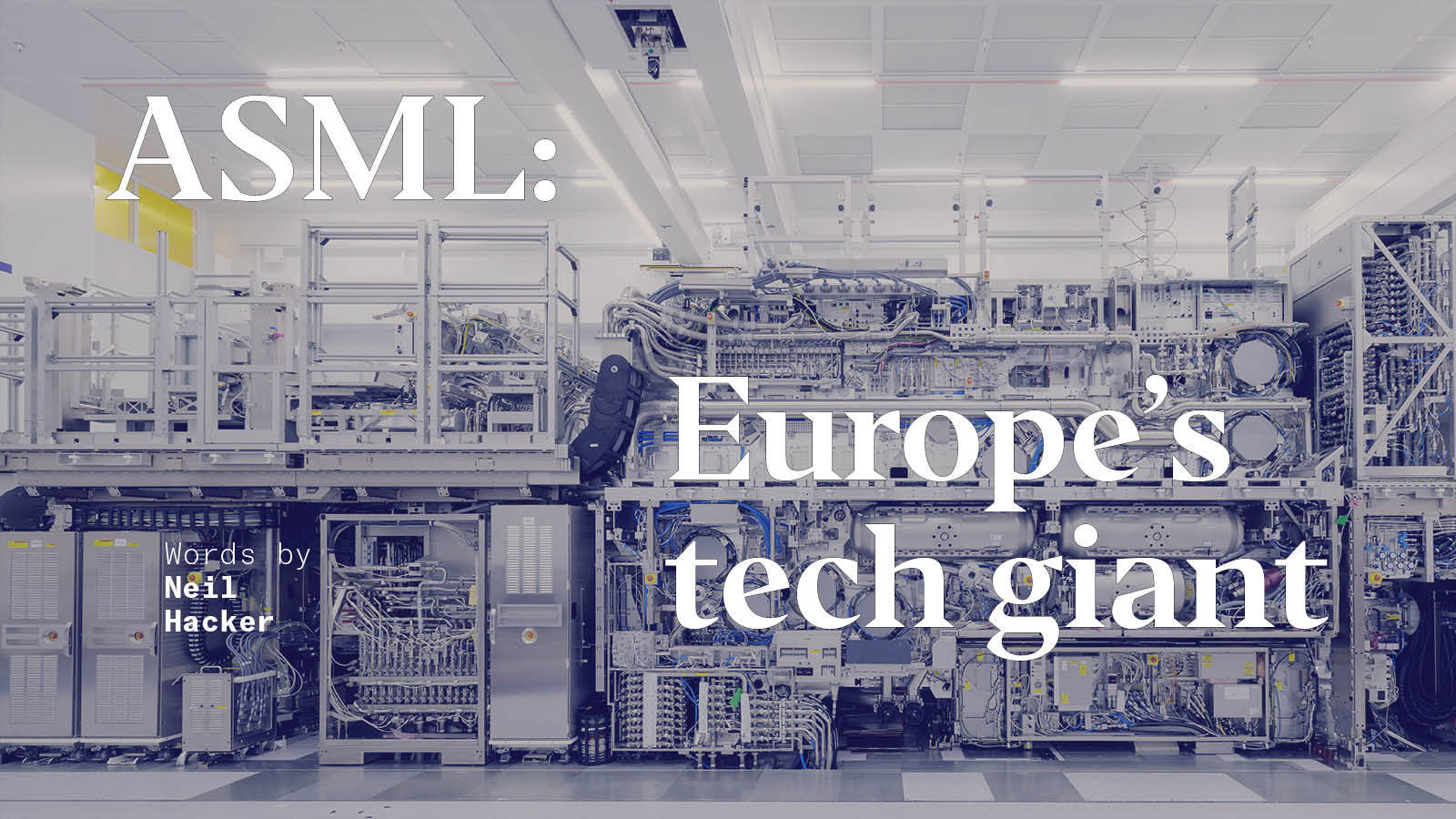
By betting on extreme ultraviolet lithography long before it worked, ASML became the chokepoint for cutting-edge chips.
Lead Source
Coverage
More
Discussion
TechSnif Coverage
How ASML Cornered the Market on Cutting-Edge Chipmaking
A deep dive reveals how ASML's massive bet on EUV lithography made it the single chokepoint for advanced semiconductor manufacturing.
ASML didn't stumble into its monopoly on cutting-edge chip manufacturing equipment. It engineered it — by placing a colossal bet on extreme ultraviolet lithography years before the technology actually worked.
A new deep dive from Works in Progress by Neil Hacker lays out the full story. ASML's dominance rests on three pillars: its early and relentless commitment to EUV, tight collaboration with TSMC, and strategic alignment with the US government.
The result? Every company on Earth making the most advanced chips depends on ASML's machines. No ASML, no leading-edge semiconductors. Period.
That kind of chokepoint power is rare in any industry. In semiconductors — where geopolitics, supply chains, and national security collide — it's extraordinary. ASML bet the company on a technology nobody else believed in, and now the entire chip industry runs through the Netherlands.