Supreme Court Slams the Brakes on Geofence Warrants
SCOTUS rules Americans have a reasonable expectation of privacy in their cell-phone location data.
The U.S. Supreme Court just handed down a major ruling restricting law enforcement's ability to use geofence warrants. The court declared that people hold a reasonable expectation of privacy when it comes to their cell-phone location data.
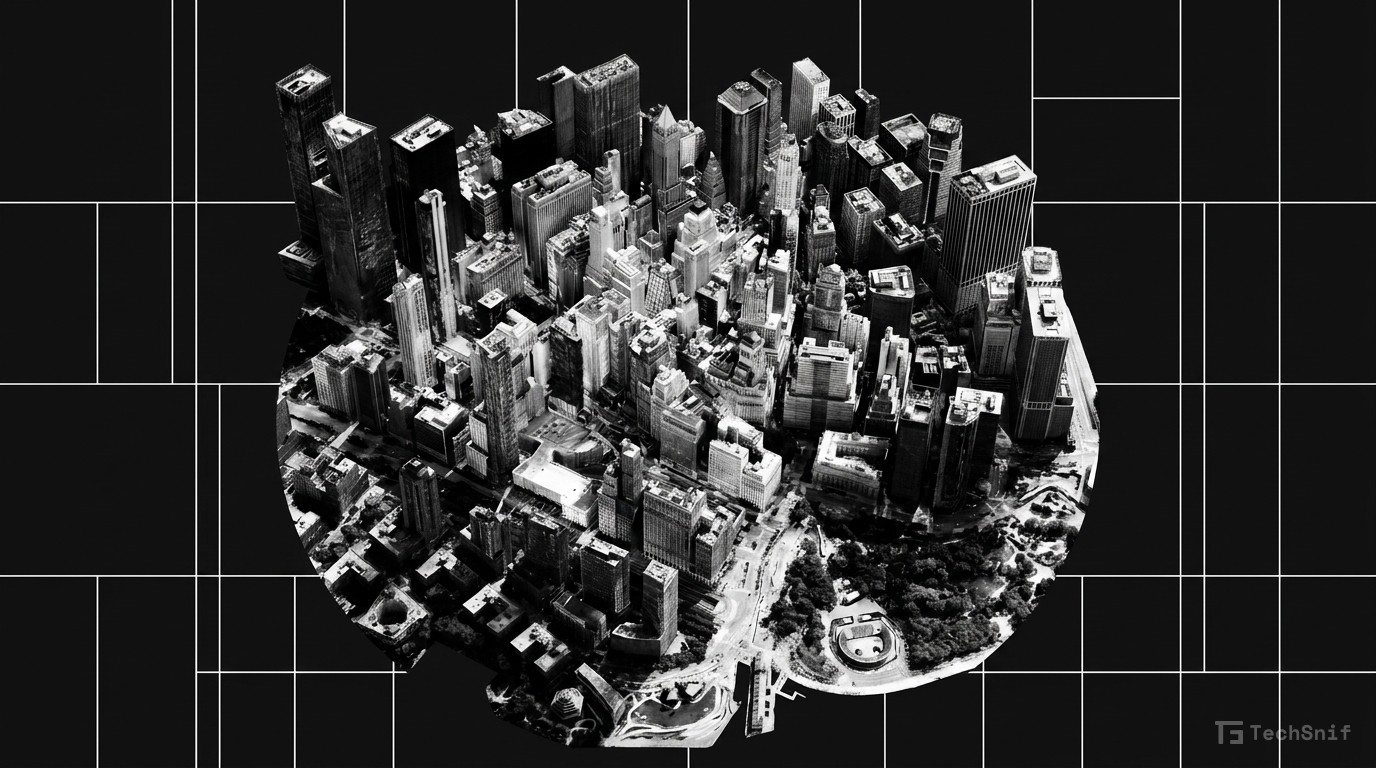
Geofence warrants let cops demand location data from tech companies for every device present in a specific area during a specific timeframe. Critics have long argued the technique amounts to a digital dragnet, sweeping up data from countless innocent bystanders alongside actual suspects.
Monday's decision puts real teeth behind Fourth Amendment protections in the smartphone era. Law enforcement will now face significantly higher legal hurdles before casting these wide surveillance nets.
The ruling lands as location tracking capabilities grow ever more precise and pervasive. For privacy advocates, this is a landmark win. For police, it's a major tool taken off the table.