Integrated Motion Control Is Changing How Robots Move
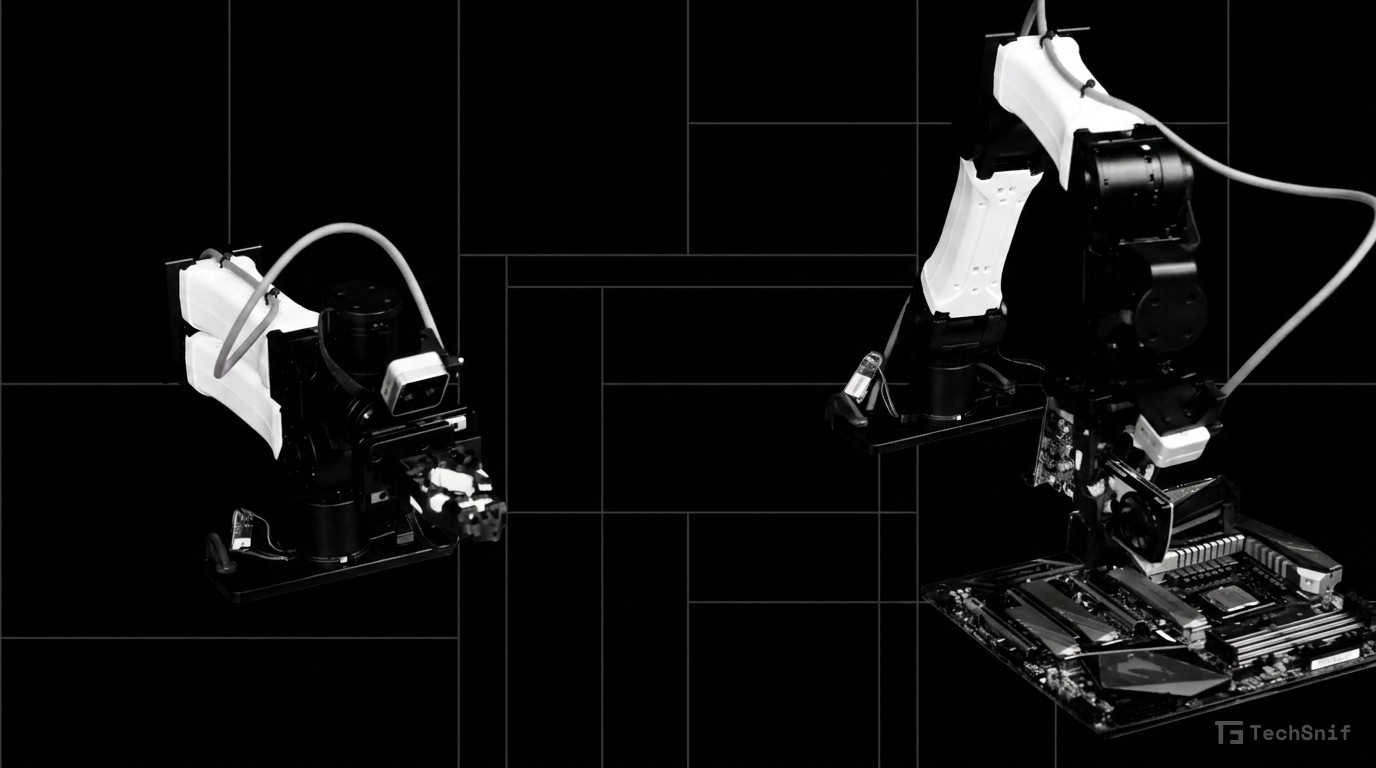
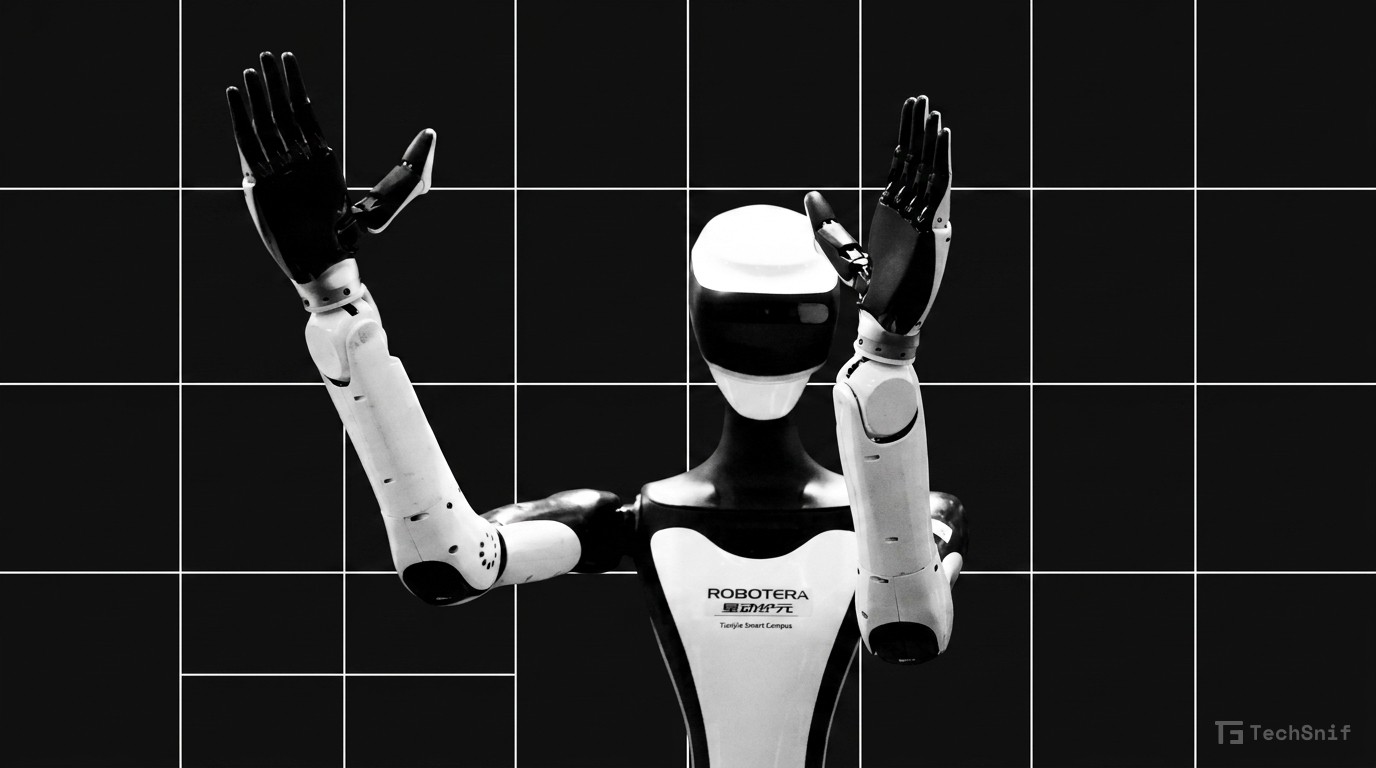
Integrated motion control systems are giving robots far more precise and versatile movement than traditional machinery.
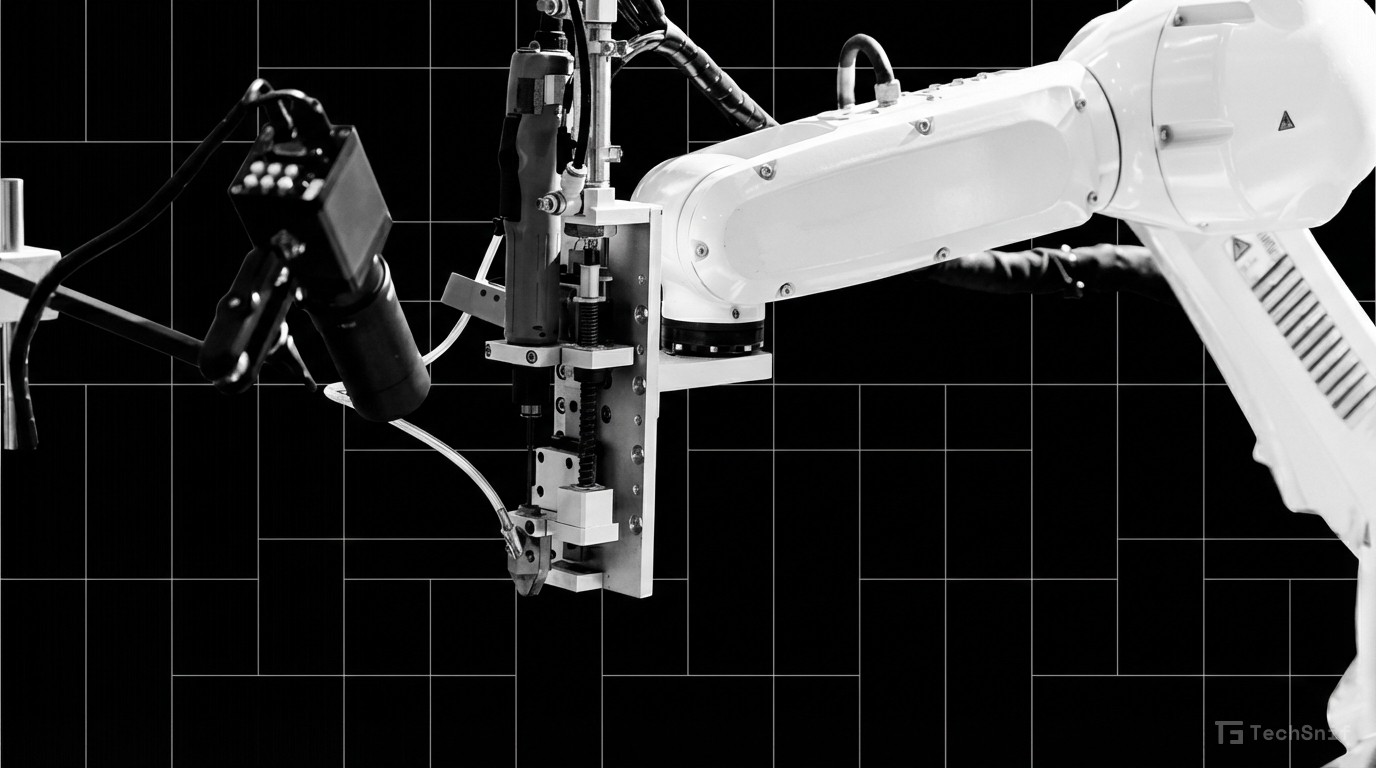
Robots are getting smoother, smarter, and way more precise — thanks to integrated motion control systems that are replacing clunky conventional approaches.
Unlike traditional machinery, which typically handles motion in isolated, rigid ways, integrated motion control unifies the entire movement pipeline. That means robots can tackle a wider range of tasks with significantly better precision and coordination.
The shift matters because modern robotics demands versatility. Warehouse bots, surgical arms, and manufacturing systems all need fluid, adaptive motion — not the mechanical equivalent of a one-trick pony.
Integrated systems bundle sensors, actuators, and control logic into cohesive units. The result: robots that can handle sophisticated movements across diverse applications without requiring entirely new hardware setups for each task.
It's a foundational upgrade. Less brute force, more finesse. And it's making robots genuinely useful in places where rigid automation simply couldn't cut it.