Top500: China's Arm-based LineShine passes the US' El Capitan by 20%+ as the world's fastest supercomputer, the first time China has taken the crown since 2017
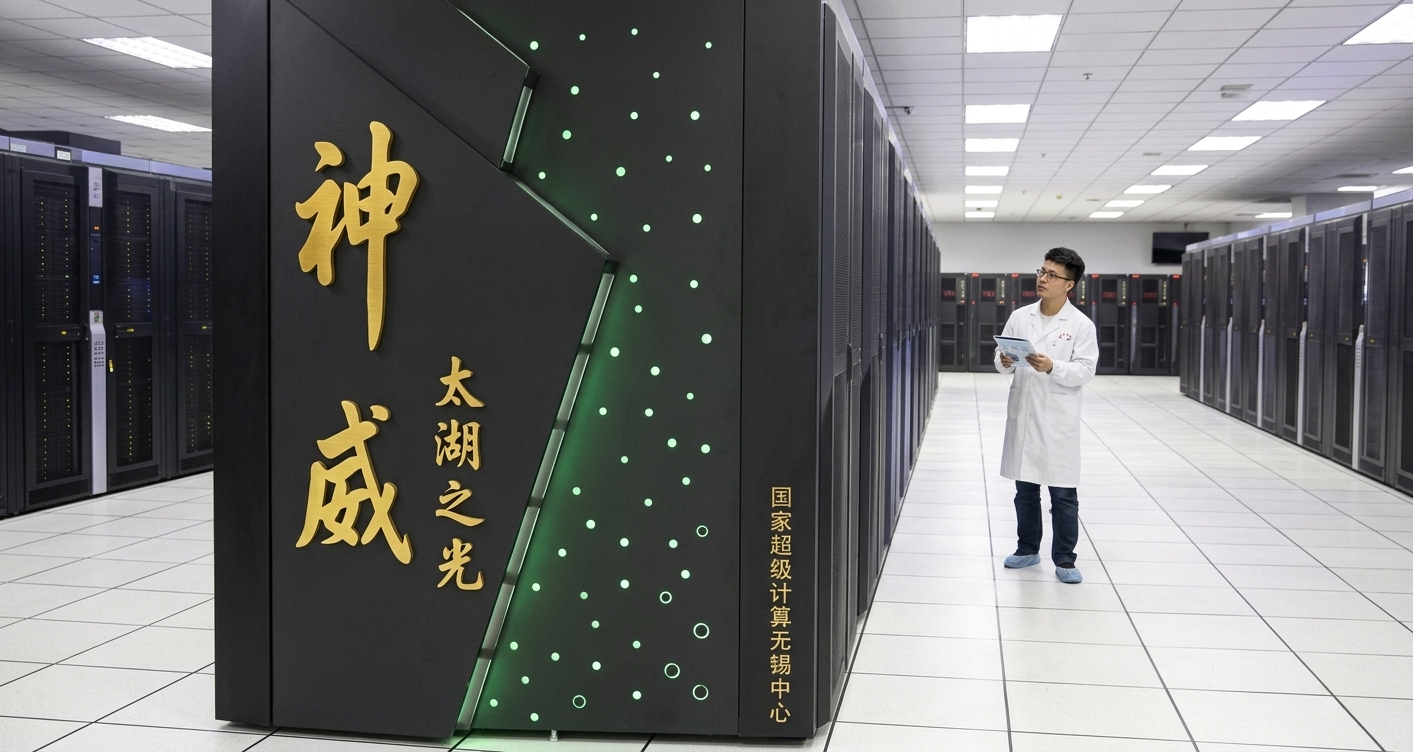
A supercomputer in Shenzhen was declared the world's fastest. It uses only standard microprocessors and not the special-purpose chips called graphics processing units.
Lead Source
More
Discussion
TechSnif Coverage
China Reclaims World's Fastest Supercomputer Crown From the US
China's Arm-based LineShine beats America's El Capitan by 20%, marking the country's first #1 ranking since 2017.
China is back on top. The Shenzhen-based LineShine supercomputer has officially been declared the world's fastest, dethroning the US' El Capitan on the Top500 list. The margin isn't even close — LineShine is 20% faster.
This is China's first time holding the top spot since 2017. That's a long drought, and they broke it in style.
Here's what makes LineShine particularly interesting: it runs entirely on standard Arm-based microprocessors. No GPUs. No special-purpose accelerator chips. Just conventional CPUs doing the heavy lifting. In an era where everyone is obsessing over GPU clusters for AI workloads, China's fastest machine took a decidedly different architectural path.
The achievement signals China's growing capability in high-performance computing despite ongoing semiconductor export restrictions targeting advanced chip technology.