How the US AI build-out is pushing up prices for electricity, software, and more; in a survey, 81% of economists say it will add to inflation over the next year
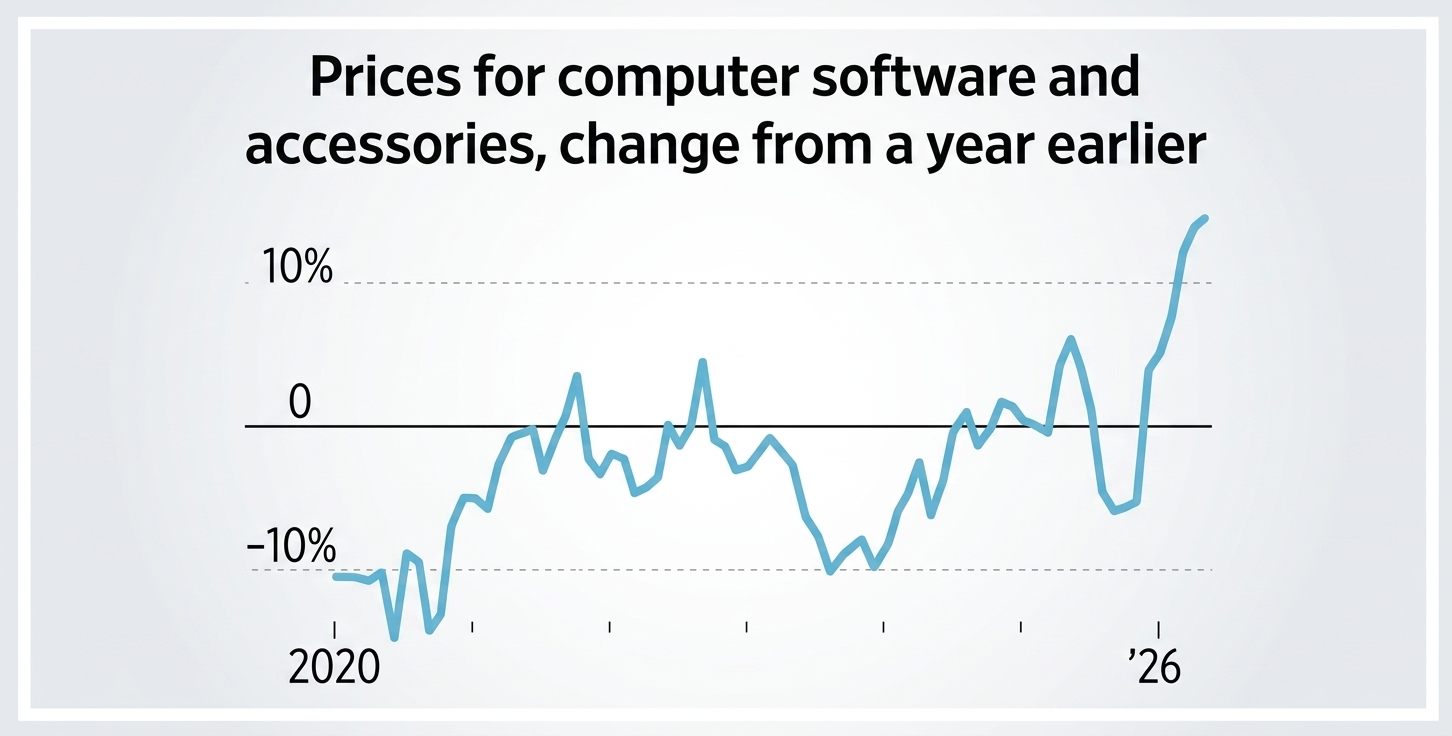
Demand for memory chips is pushing prices higher. Will AI's promise of increased productivity come in time to temper that inflation?
Lead Source
Coverage
More
Discussion
TechSnif Coverage
America's AI Boom Is Fueling Inflation Across the Board
81% of economists say the US AI build-out will add to inflation over the next year.
The US AI build-out is driving up costs across multiple sectors — and economists are sounding the alarm. In a Wall Street Journal survey, 81% of economists said the expansion will add to inflation over the next year.
The price pressure isn't limited to one corner of the economy. Electricity, software, and memory chips are all getting more expensive as AI infrastructure demand surges. Memory chip prices specifically are climbing as data centers gobble up supply.
The big question hanging over all of this: can AI deliver on its productivity promises fast enough to offset the inflationary pressure it's creating? The technology is supposed to make everything cheaper and more efficient eventually. But right now, building the infrastructure to get there is having the opposite effect.
It's a classic chicken-and-egg problem — and consumers are footing the bill in the meantime.