Tesla's FSD Safety Claims Built on Shaky Data, Ex-Workers Say
Former Tesla data labelers reveal FSD depends on painstaking manual hazard mapping, while crash stats use flawed methodology.
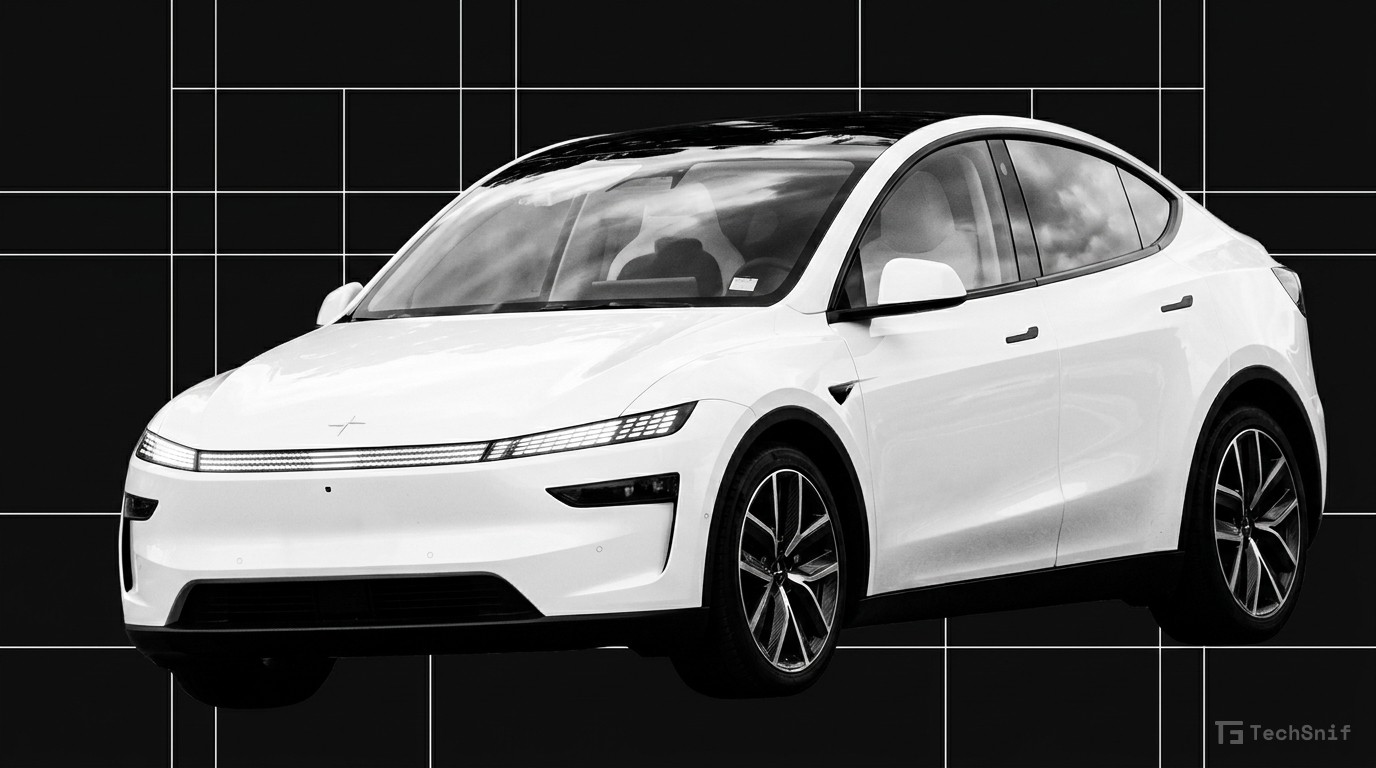
Tesla loves to tout that its Full Self-Driving software is up to 10 times safer than human drivers. Turns out those numbers might be smoke and mirrors.
A Reuters investigation featuring former Tesla data labelers reveals that FSD leans heavily on laborious manual mapping of hazards — a far cry from the seamless autonomous intelligence the company projects. Workers tasked with labeling data describe a grinding, hands-on process that underpins the system's ability to navigate the real world.
Worse, an analysis of Tesla's crash data suggests the company inflates FSD's safety record through flawed methodology. The statistical framework Tesla uses to compare its system against human drivers doesn't hold up under scrutiny.
The gap between Tesla's marketing pitch and operational reality keeps widening. The 10x safety claim is doing a lot of heavy lifting — and the foundation underneath it looks increasingly fragile.