The Hidden Motion Systems Making Robots Actually Useful
Peripheral motion systems are the unsung heroes quietly maximizing what robots can do in the real world.
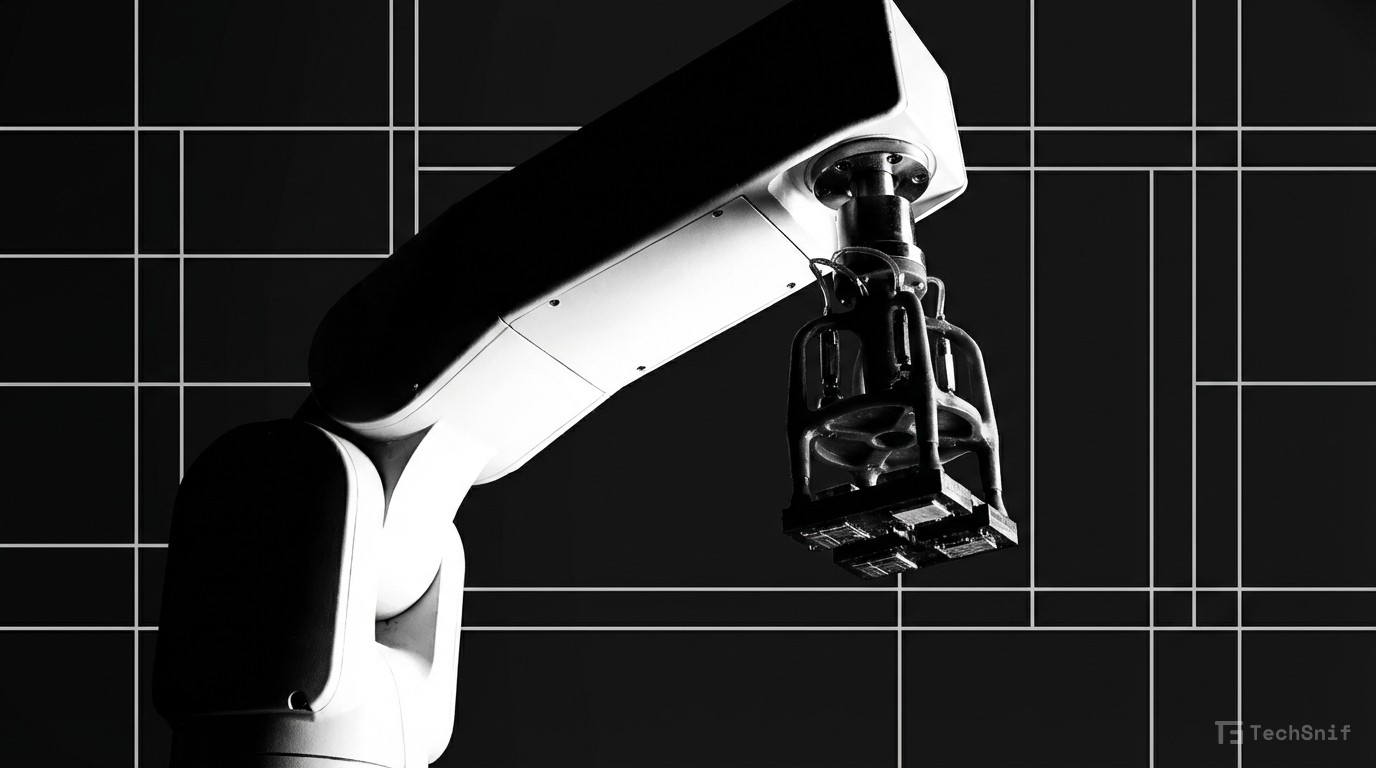
Robots don't work alone. Behind every capable robotic system sits a network of peripheral motion systems — automated mechanisms designed to move, position, and support the primary robot so it can do its job better.
These complementary systems handle the grunt work: repositioning workpieces, feeding materials, adjusting orientations, and extending a robot's effective reach. Think of them as the stage crew making the lead actor look good.
The category spans a wide range of hardware — from linear actuators and rotary tables to conveyor integrations and multi-axis positioners. Each one exists to solve a specific limitation in a robot's native range of motion or workspace.
As robotic deployments grow more complex, these peripheral systems are becoming critical infrastructure rather than optional add-ons. The robot gets the credit. The motion systems do the heavy lifting — literally.