Motor Design Is Quietly Shaping the Future of Robotics
Advances in motor engineering are letting robots specialize for industry while converging on precision performance.
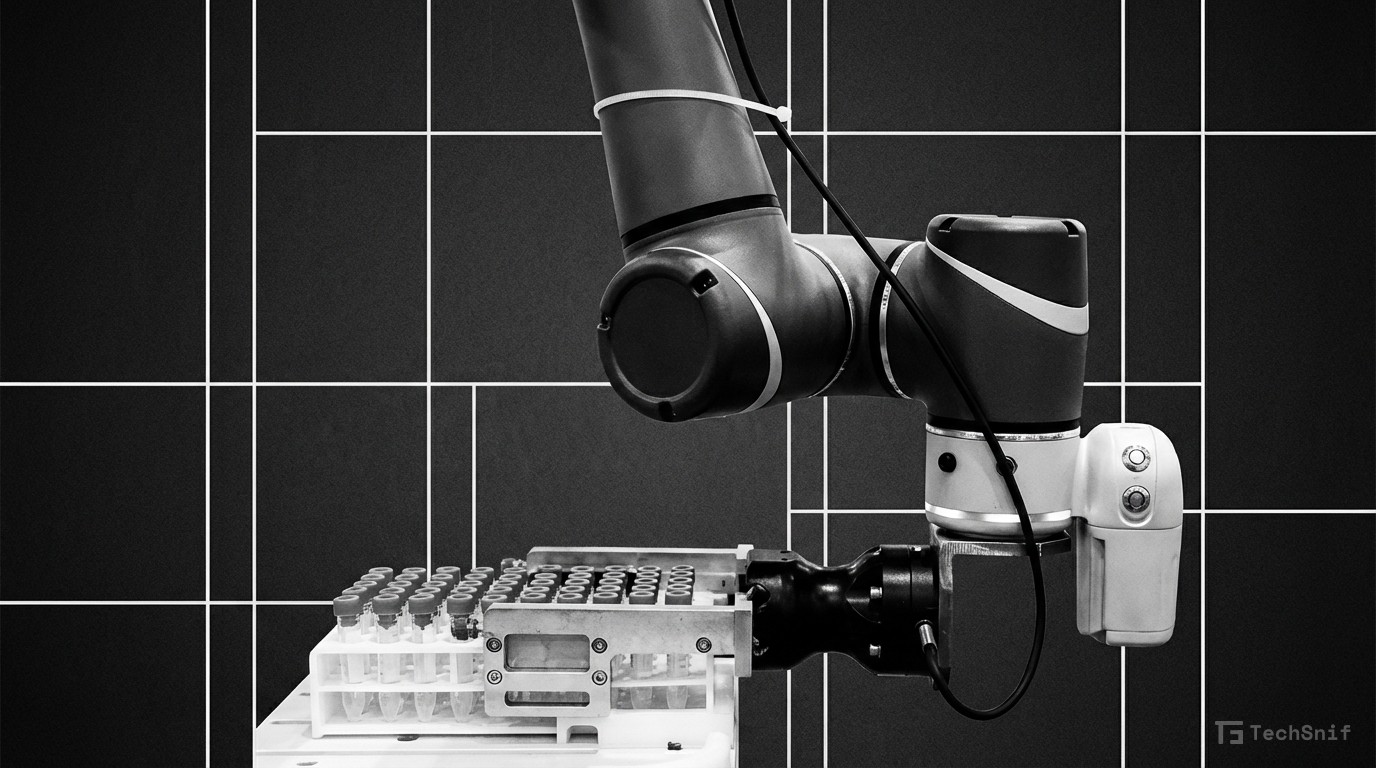
The unsung hero of robotics isn't software or AI. It's the motor.
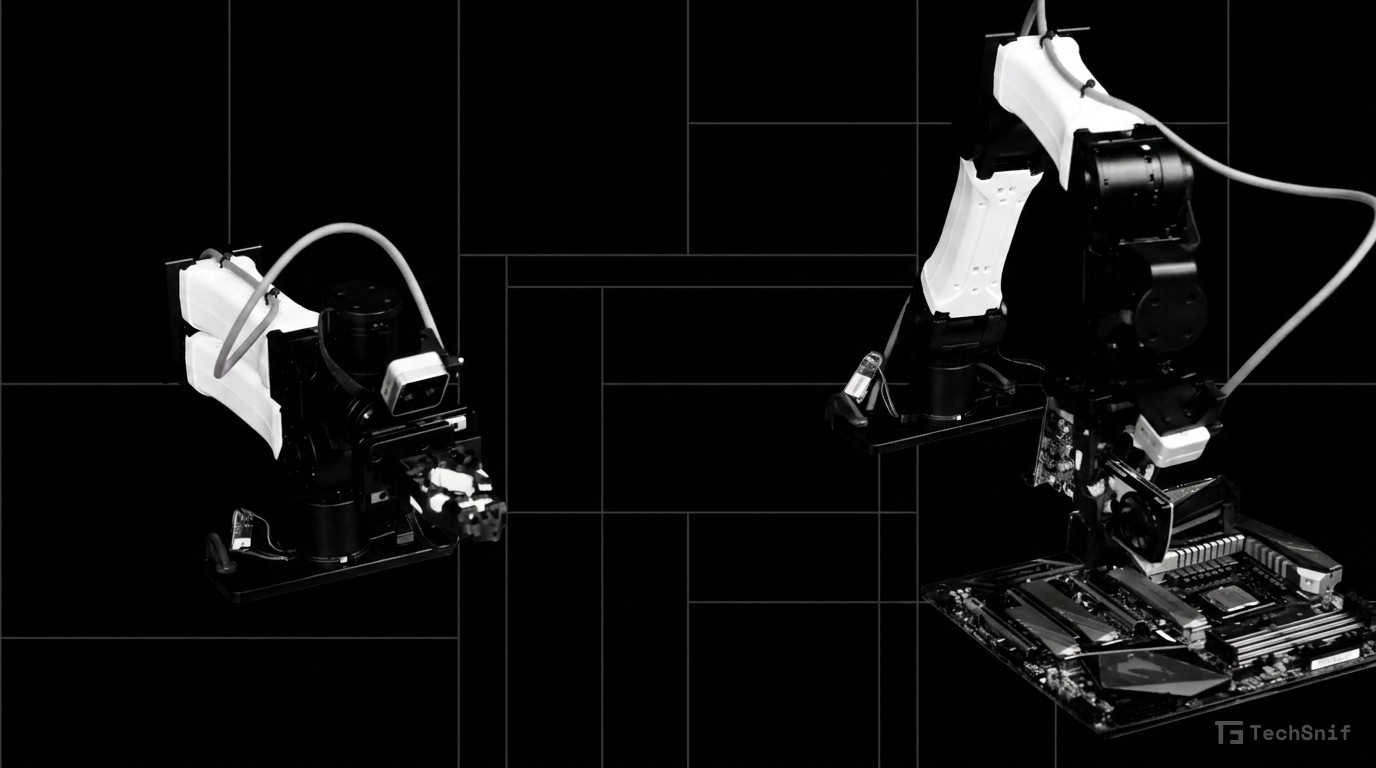
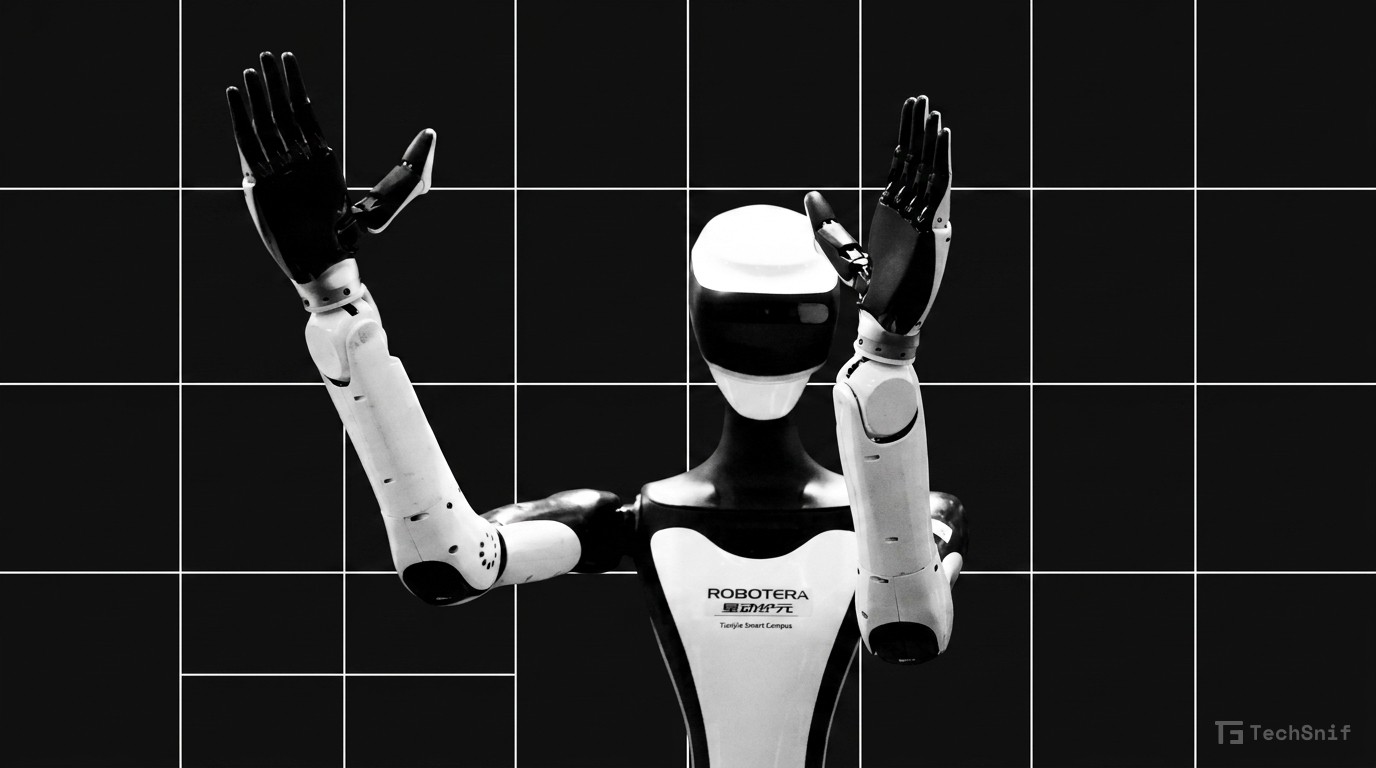
Improvements in motor design are driving a quiet revolution across the robotics landscape. Different robot types — from industrial arms to mobile platforms — are increasingly defined by the motors powering them. Better motors mean better specialization for specific industrial tasks.
But here's the interesting twist: while robots are diverging in function, they're converging in precision. Motor advances are giving wildly different machine categories access to the same level of fine-grained control that used to be reserved for top-tier industrial hardware.
It's a classic enabling-technology story. Flashier breakthroughs in AI and computer vision grab headlines, but none of it matters if the physical actuators can't keep up. Motors are the bottleneck nobody talks about — and they're finally catching up.